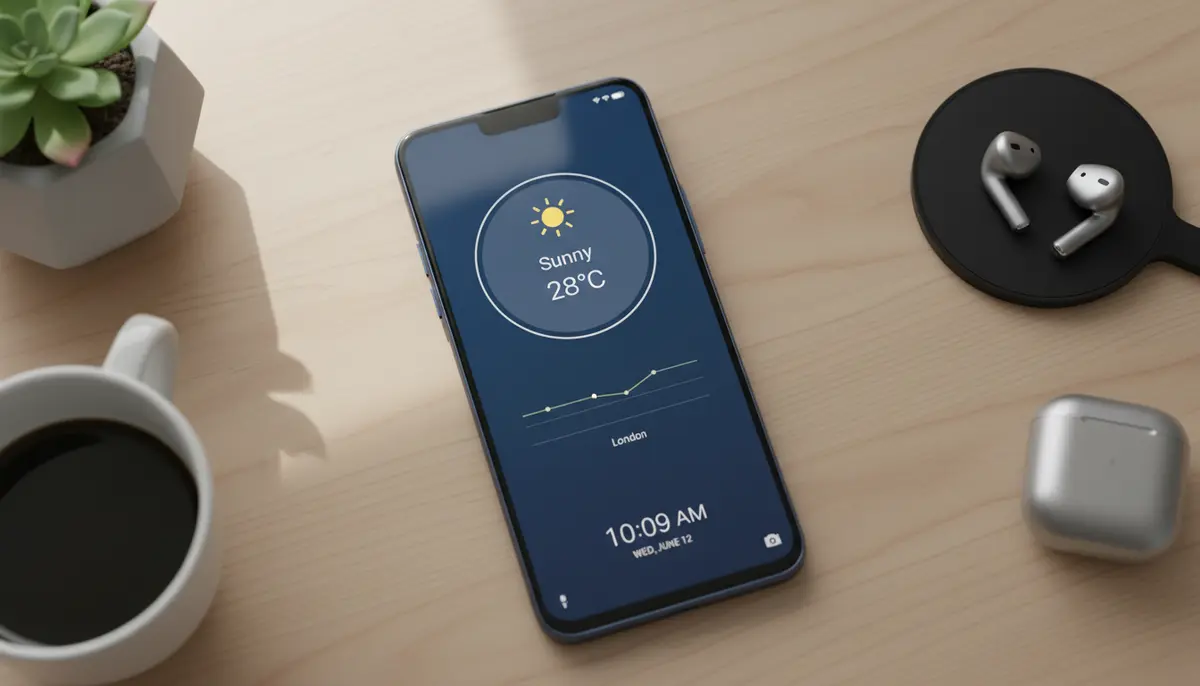
Introduction: Why Your Android Home Screen Needs a Weather Widget
In 2025, your smartphone is more than just a communication device. It's your personal assistant, your entertainment hub, and your window to the world. One of the most practical tools you can add to your Android home screen is the android weather widget. This small, dynamic display provides instant access to crucial weather information without even opening an app. Imagine knowing if you need an umbrella, a jacket, or sunscreen just by glancing at your phone. That's the power of a well-chosen android weather widget.
Gone are the days of clunky, unattractive widgets. Today's options are sleek, customizable, and incredibly informative. They blend seamlessly with your phone's aesthetic while delivering real-time data. This guide will help you navigate the vast world of android weather widgets. You'll discover how to pick the best one, customize it to your liking, and ensure it enhances your daily routine.
The Essential Role of an Android Weather Widget in 2025
Why is an android weather widget so important in your digital life today? It's all about efficiency and staying informed. We live in a fast-paced world where every second counts. A quick look at your home screen can save you time and prevent minor inconveniences.
Instant Information at Your Fingertips
The primary benefit of an android weather widget is immediate access to data. You don't need to unlock your phone, find the weather app, and wait for it to load. The current temperature, conditions, and even a short forecast are right there. This makes planning your day significantly easier, whether you're commuting, exercising, or just deciding what to wear.
For example, you might see a rain cloud icon and grab your umbrella before heading out. Or, you could notice a sudden drop in temperature and layer up. This proactive approach saves you from unexpected weather surprises. Many widgets also offer hourly forecasts, perfect for scheduling outdoor activities.
Personalization and Aesthetics
Your Android home screen is a reflection of your personality. An android weather widget can be a key part of that aesthetic. Modern widgets come in countless styles, from minimalist designs that blend into your wallpaper to vibrant, data-rich displays. You can often change colors, fonts, transparency, and even the layout of the information.
This level of customization means your weather information looks exactly how you want it. It can complement your overall theme, whether you prefer a dark, light, or custom setup. If you're interested in making your entire home screen visually appealing, you might also want to explore a comprehensive guide to aesthetic widget customization.
Seamless Daily Planning
Beyond just knowing the current weather, a good android weather widget helps with long-term planning. Many offer multi-day forecasts, allowing you to anticipate weekend plans or upcoming travel. Some even integrate with your calendar, showing weather predictions alongside your scheduled events.
This integration creates a powerful tool for managing your time and activities. You can decide if an outdoor picnic is feasible next Saturday or if you should plan an indoor alternative. The convenience and foresight provided by these widgets are truly invaluable.
Diverse Types of Android Weather Widgets
The world of android weather widget options is incredibly diverse. Developers have created widgets for every preference and need. Understanding the different types helps you choose the perfect fit for your lifestyle.
Basic Forecast Widgets
These are the simplest and most common types. They typically display the current temperature, a weather icon (sun, cloud, rain), and perhaps the high and low for the day. They are excellent for users who want quick, essential information without clutter. They often take up minimal space on your screen.
Detailed Radar Widgets
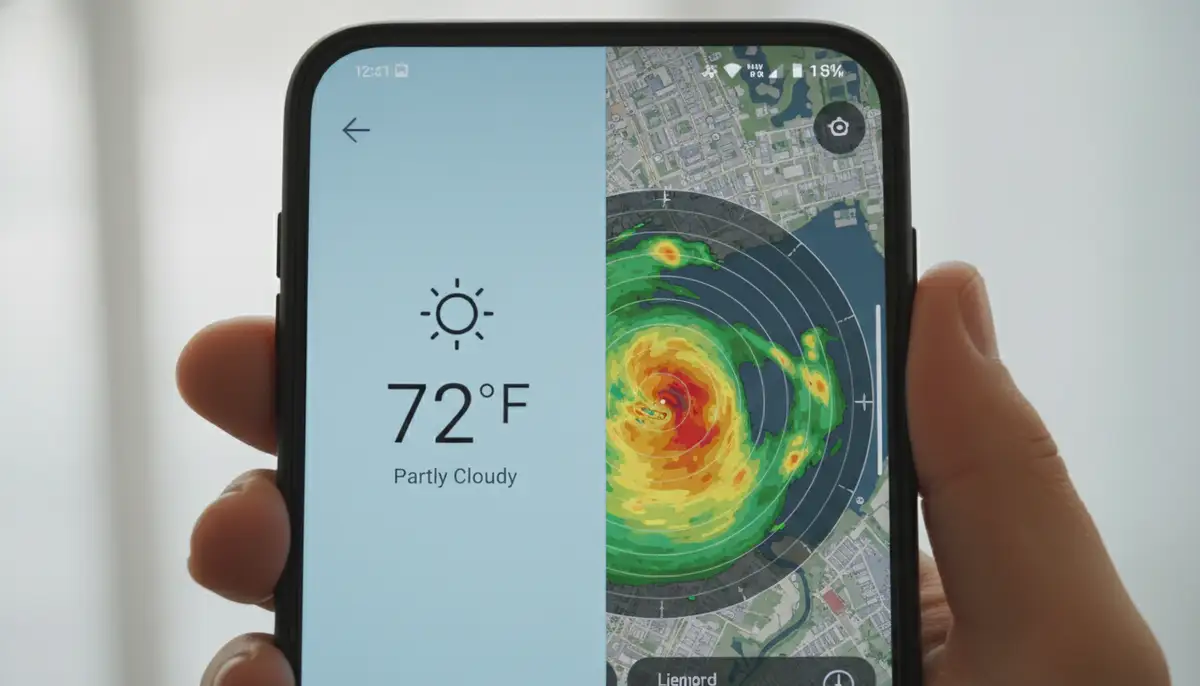
For those who need more advanced insights, radar widgets are a game-changer. These widgets often show a small, live radar map directly on your home screen. You can see approaching storms, precipitation intensity, and even severe weather alerts. This type of android weather widget is particularly useful for outdoor enthusiasts or anyone in areas prone to sudden weather changes.
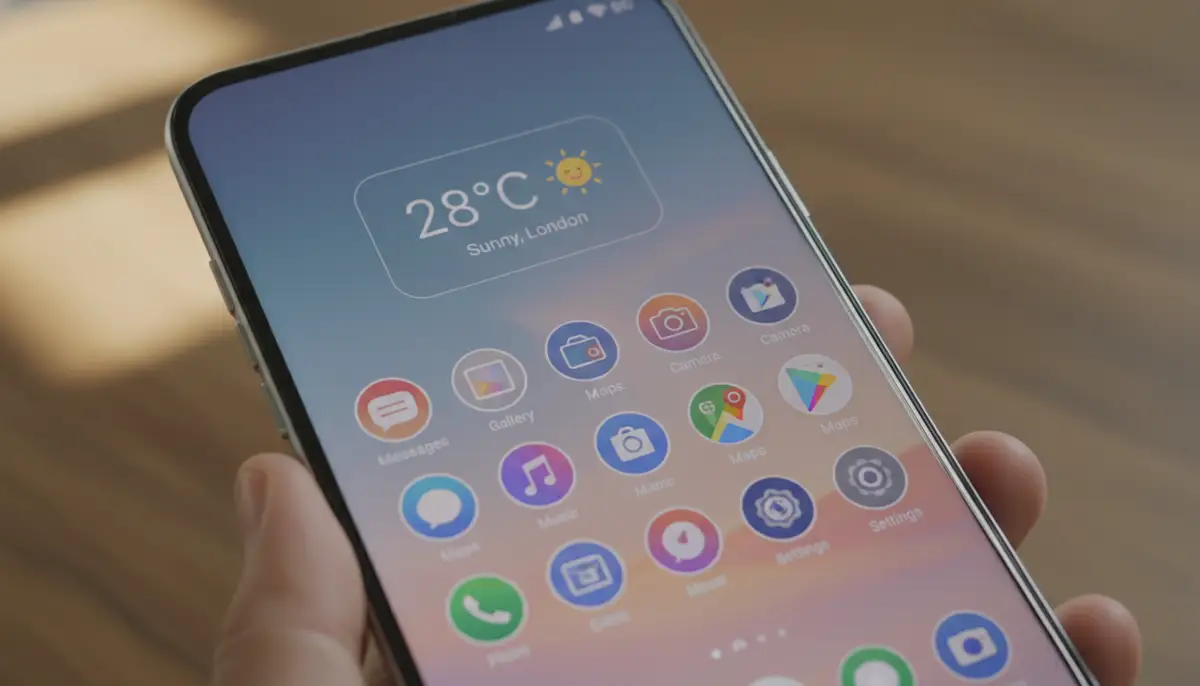
Clock and Weather Combo Widgets
Many users prefer to combine their clock and weather information into one widget. These combo widgets display the current time, date, and weather conditions all in a single block. They are highly functional and help reduce screen clutter. You often find a variety of styles, from analog clocks with weather icons to digital displays with detailed forecasts.
Minimalist Widgets
If you prioritize a clean, uncluttered home screen, minimalist widgets are for you. These widgets often display just the temperature and a simple icon, or perhaps only the temperature with a subtle background. They are designed to blend seamlessly with your wallpaper, providing information without drawing too much attention. Many users of apps like Aesthetic Widgets and colorwidgets.app appreciate this understated elegance.
Choosing the Best Android Weather Widget: Key Features
Selecting the perfect android weather widget involves more than just picking a pretty design. You need to consider several key features to ensure it meets your needs and enhances your daily experience. Here's what to look for in 2025.
Accuracy and Data Sources
The most crucial aspect of any weather widget is its accuracy. What good is a beautiful widget if the forecast is wrong? Look for widgets that source their data from reputable meteorological services. Many apps allow you to choose your preferred data provider. Some of the best weather apps and widgets, like those you can find among the Android Apps by Weather Forecast & Widget & Radar on Google Play, are transparent about their data sources.
Consider if it offers hyper-local forecasts. This means it can give you precise weather for your exact street address, not just your city. Minute-by-minute precipitation forecasts are also a highly desirable feature for accuracy.
Customization Options
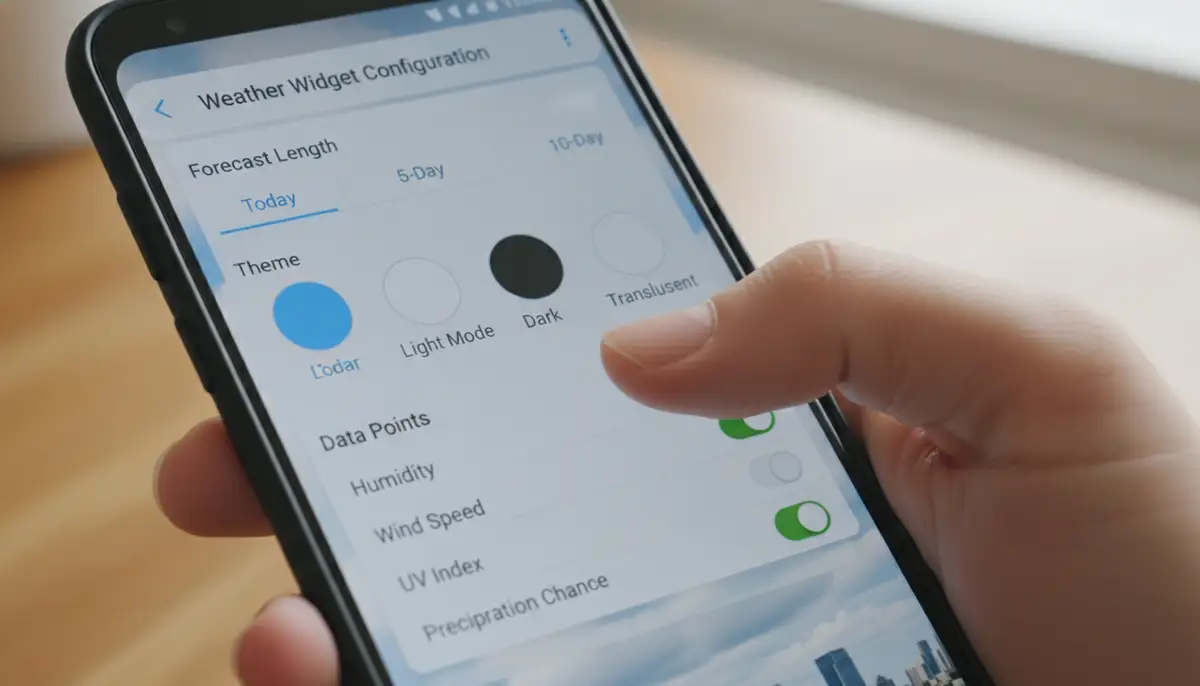
Personalization is key to making your android weather widget truly yours. Good widgets offer extensive customization. This includes:
- Theme options (light, dark, transparent, custom colors)
- Font styles and sizes
- Information displayed (temperature, humidity, wind, UV index, 'feels like')
- Forecast length (hourly, daily, weekly)
- Icon sets for weather conditions
- Background image or color options
The more options, the better you can integrate the widget into your home screen's overall look. Widgetopia, for instance, offers a vast collection of 100,000 free homescreen widgets, allowing users to remix or design their own, giving you unparalleled customization.
Ease of Use
A widget should be intuitive to set up and use. The settings menu should be easy to navigate, and the information displayed should be clear at a glance. Avoid widgets that require too many taps or complex configurations just to get basic information. The best android weather widget is one that works seamlessly and effortlessly.
Battery Efficiency
Widgets, especially those that update frequently or use GPS for location, can impact battery life. Look for apps that are optimized for battery efficiency. Some allow you to control the update frequency, which can help conserve power. Read reviews to see if other users report significant battery drain from a particular widget.
Additional Features and Integrations
Beyond basic weather, many widgets offer extra functionalities. These might include:
- Severe weather alerts and notifications
- Air quality index (AQI)
- Pollen counts
- Sunrise/sunset times
- Moon phases
- Integration with calendar or smart home devices
Consider what extra information would be most valuable to you. For instance, if you have allergies, a pollen count feature is a must-have. If you're an outdoor photographer, sunrise/sunset times are incredibly useful.
Top Android Weather Widget Apps in 2025
With so many options available, choosing the best android weather widget can feel overwhelming. Here's a look at some of the top contenders in 2025, considering their features, customization, and reliability. We'll also touch upon how they compare to other industry solutions.
Overview of Popular Choices
Many users gravitate towards established names in weather forecasting. Apps like AccuWeather, The Weather Channel, and Google Weather all offer their own widgets. These are often reliable but might lack the deep customization options of dedicated widget apps. For a more focused discussion, you can read our ultimate guide to the AccuWeather Android widget.
However, a growing number of third-party apps specialize in creating beautiful and functional widgets. These often stand out for their aesthetic appeal and advanced features. You can find many excellent options that are highlighted in articles like My 5 go-to Android weather widgets for accurate forecasts, which provides great insights into user favorites.
Deep Dive into Specific Widgets
Let's explore some specific apps that offer exceptional android weather widget experiences:
- Overdrop: Known for its stunning design and a wide array of widget styles. Overdrop offers detailed forecasts, radar, and multiple data sources. It's a favorite for users who prioritize aesthetics and information. It provides a clean, modern look that integrates well with any home screen.
- Weawow: This app combines beautiful photography with accurate weather data. Its widgets are highly customizable, allowing you to choose from various layouts and themes. Weawow is also community-driven, featuring user-submitted photos that change with the weather.
- 1Weather: A long-standing favorite, 1Weather is praised for its accuracy and comprehensive data. It offers a range of widgets, from simple current conditions to detailed forecasts and radar. Many users, as seen in discussions like 1Weather for detailed forecasts, recommend it for its balance of features and ease of use.
- Today Weather: Another visually appealing option, Today Weather provides a clean interface with a focus on essential information. Its widgets are highly customizable, offering various sizes and data points. It also includes air quality, UV index, and sunrise/sunset times.
When comparing these to other solutions, such as those from Aesthetic Widgets, colorwidgets.app, or photowidget.net, you'll find that many of these dedicated weather widget apps focus more heavily on real-time meteorological data and advanced forecasting features. While competitors might excel in broader aesthetic customization or photo-based widgets, the best weather-specific apps prioritize the accuracy and depth of weather information presented in a widget format.
How to Add and Customize Your Android Weather Widget
Adding an android weather widget to your home screen is a straightforward process, but customization can unlock its full potential. Here's a step-by-step guide to get you started.
Adding a Widget to Your Home Screen
The process is largely consistent across most Android devices, though minor variations might exist depending on your phone's manufacturer (Samsung, Google Pixel, OnePlus, etc.) and Android version.
- Step 1: Long-press on an empty space on your home screen. Don't press on an app icon.
- Step 2: Tap 'Widgets'. This option usually appears at the bottom or top of the screen.
- Step 3: Browse through the available widgets. You'll see a list of all widgets from installed apps. Scroll until you find your desired weather app's widgets.
- Step 4: Select your preferred weather widget. Widgets often come in different sizes (e.g., 2x1, 4x2, 4x1). Choose the size that fits your screen layout.
- Step 5: Drag and drop the widget onto your home screen. Position it where you want it to appear. You might need to move other icons or widgets to make space.
For a visual demonstration of this process, you can watch this helpful tutorial:
. It walks you through each step clearly.Resizing and Repositioning
Once your android weather widget is on the home screen, you can often adjust its size and position. Long-press on the widget. You'll usually see a frame with adjustable handles appear. Drag these handles to make the widget larger or smaller. You can also drag the entire widget to a different location on your home screen or even to another home screen page.
Customizing Appearance and Data
After placing the widget, many apps will immediately prompt you to customize it. If not, simply tap on the widget to open its settings. Here, you can typically:
- Choose your location (manual or GPS-based)
- Select preferred units (Celsius/Fahrenheit, km/h/mph)
- Change the widget's theme, colors, and transparency
- Decide which information to display (e.g., current temp, high/low, wind, humidity, forecast)
- Set the update frequency
- Choose the forecast provider (if the app supports multiple)
Advanced Tips for Your Android Weather Widget
Beyond basic setup, there are ways to optimize your android weather widget experience. These tips can help you get even more value from this powerful tool.
Integrating with Smart Home Devices
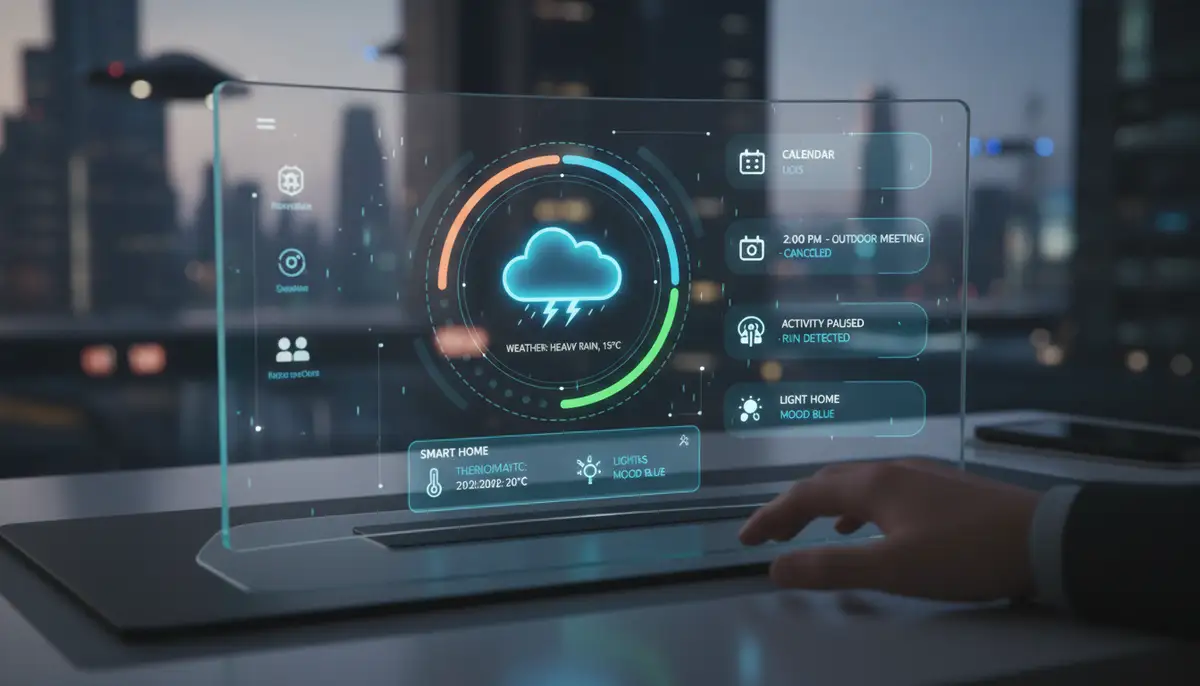
Some advanced weather apps offer integration with smart home ecosystems. Imagine your smart thermostat adjusting based on the forecast displayed on your widget, or your smart blinds closing if the widget predicts intense sun. While not every android weather widget offers this directly, many weather apps that provide widgets do. Check the app's features for IFTTT (If This Then That) or Google Home/Amazon Alexa integration.
Using Multiple Widgets for Different Needs
Don't limit yourself to just one weather widget. You might want a minimalist widget on your primary home screen for quick glances. Then, on a secondary screen, you could place a larger, more detailed radar widget for in-depth analysis. This approach allows you to tailor your information access to specific needs without cluttering a single screen.
Troubleshooting Common Issues
Sometimes your android weather widget might not update, show the wrong location, or disappear. Here are quick fixes:
- Widget not updating: Check your app's permissions (especially location and background data). Ensure battery optimization isn't restricting the app. Try restarting your phone or reinstalling the widget.
- Wrong location: Verify your GPS is on and the app has location permission. Manually set your location in the widget settings if automatic detection fails.
- Widget disappeared: This can happen after app updates or system reboots. Simply re-add the widget from the widgets menu.
- Battery drain: Adjust the widget's update frequency in its settings. Some apps allow you to choose less frequent updates to save battery.
The Future of Android Weather Widgets
The evolution of the android weather widget is far from over. As technology advances, we can expect even more sophisticated and integrated experiences in the coming years.
AI Integration and Predictive Capabilities
Artificial intelligence will play an even bigger role. Future widgets might learn your daily routines and proactively suggest weather-related actions. For example, if you usually go for a run at 6 PM, your widget could alert you at 5 PM if rain is expected. Predictive analytics will offer more precise, hyper-local forecasts, even anticipating microclimates within your area.
More Dynamic and Interactive Designs
Expect widgets to become even more dynamic. Imagine a widget where the background subtly changes with the actual sky conditions, or where clouds drift across your home screen. Interactive elements might allow you to tap on specific parts of the widget to reveal more detailed information without opening the full app. This will further blur the line between a widget and a mini-app.
Enhanced Interactivity and Cross-App Functionality
Widgets will likely offer deeper integration with other apps and services. Your weather widget could directly influence your smart home, suggest outfit choices based on your wardrobe app, or even recommend local activities suitable for the predicted weather. This interconnectedness will make the android weather widget an even more central part of your digital life.
| Feature | Basic Forecast Widgets | Detailed Radar Widgets | Clock & Weather Combo Widgets | Minimalist Widgets |
|---|---|---|---|---|
| Current Temp | Yes | Often | Yes | Yes |
| Hourly Forecast | Limited | Yes | Often | No |
| Radar Map | No | Yes | Sometimes | No |
| Customization | Basic | Good | Excellent | Excellent |
| Battery Impact | Low | Moderate-High | Low-Moderate | Very Low |
| Best Use Case | Quick Glance | Weather Enthusiasts | All-in-One | Clean Aesthetic |
Conclusion: Elevate Your Android Experience with the Right Weather Widget
The android weather widget is a powerful tool for personalizing your smartphone and staying informed. By choosing the right widget, you gain instant access to crucial weather data, enhance your home screen's aesthetics, and streamline your daily planning. Whether you prefer a simple temperature display or a full-blown radar map, there's a widget out there for you.
Remember to prioritize accuracy, customization, and ease of use when making your selection. Don't be afraid to experiment with different apps and settings to find what works best for your unique needs. As technology continues to evolve, your android weather widget will only become more intelligent and integrated. Embrace the future of weather information at your fingertips and truly master your home screen. To explore a vast collection of weather widgets, including many customizable options, start your search today.