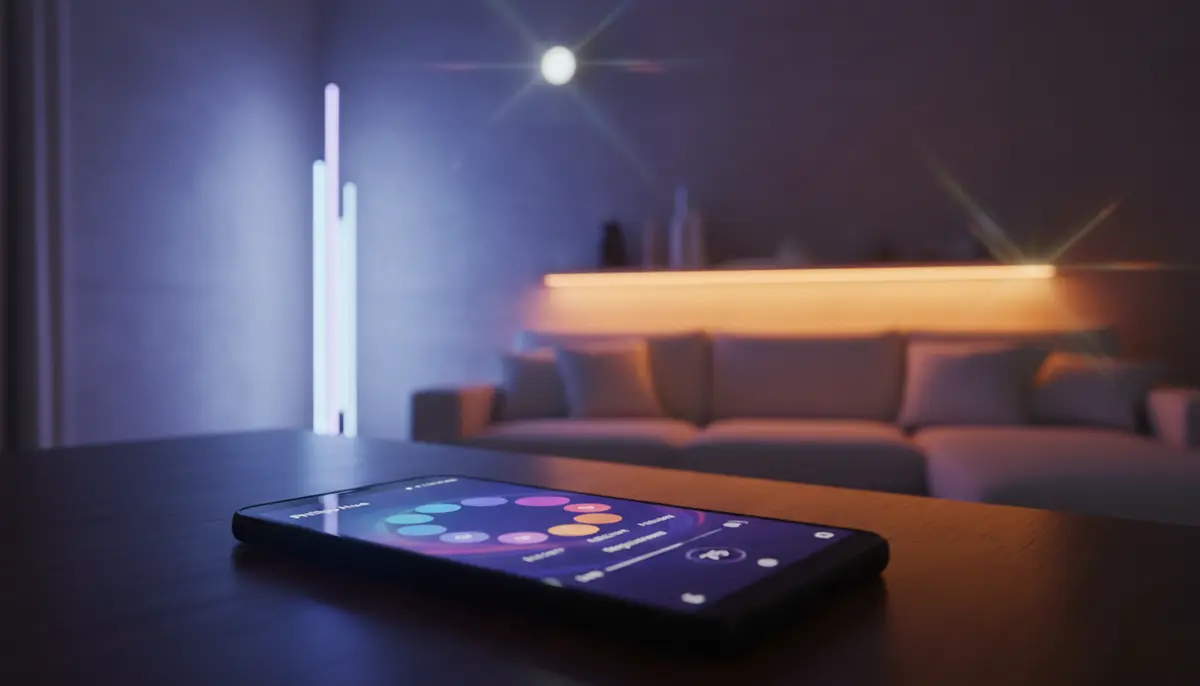
Introduction: Instant Control with Your Hue Widget Android
Imagine controlling your entire home's lighting with a single tap on your phone. This isn't a futuristic dream; it's the reality offered by the powerful hue widget Android. In 2025, smart homes are more integrated than ever. Your Philips Hue lights are likely a central part of this setup. The ability to manage them quickly, without opening an app, transforms your daily routine. This guide will show you everything about maximizing your hue widget Android experience.
You'll discover how to set up, customize, and troubleshoot these essential widgets. We will explore both official and third-party options. By the end, you'll be a master of your smart lighting. Get ready to make your Android home screen work harder and smarter for you.
What Exactly is a Hue Widget Android?
A hue widget Android is a small, interactive application. It lives directly on your Android phone's home screen. Think of it as a remote control for your Philips Hue lights. You can turn lights on or off, change brightness, or activate scenes. All these actions happen without launching the full Philips Hue app. It saves you time and effort.
These widgets connect to your Philips Hue Bridge. The Bridge is the brain of your lighting system. Once connected, the widget provides a direct line of communication. This means instant responses from your lights. It's a key component for any efficient smart home.
Why You Need a Hue Widget Android on Your Home Screen
The benefits of integrating a hue widget Android into your daily life are numerous. They go beyond simple convenience. Let's look at the main reasons why you should consider using one.
- Speed and Accessibility: No more navigating through menus. Your controls are right there on your home screen.
- Instant Control: Turn lights on or off, adjust brightness, or change colors with a single tap. This is much faster than opening an app.
- Personalization: Tailor widgets to your specific needs. Control individual lights, rooms, or entire scenes.
- Enhanced Smart Home Experience: A hue widget Android makes your smart lighting feel truly integrated. It's a seamless part of your phone.
- Battery Efficiency: Widgets often use fewer resources than constantly opening and closing a full application. This can save your phone's battery life over time.
In a busy world, every second counts. A well-placed hue widget Android can streamline your routine. It provides immediate access to your lighting controls. This makes your smart home more responsive and enjoyable.
Getting Started: The Official Philips Hue Widget Android App
The most straightforward way to get a hue widget Android is through the official Philips Hue app. This app is available on the Google Play Store. It offers reliable and robust control for your lighting system. You can easily download the official Philips Hue app to get started. Once installed, adding widgets is a simple process.
How to Add an Official Hue Widget Android
Adding a widget to your Android home screen is quick and easy. Follow these steps to set up your first hue widget Android:
- Step 1: Long-Press on Home Screen: Find an empty space on your Android phone's home screen. Press and hold your finger there for a few seconds.
- Step 2: Select 'Widgets': A menu will pop up. Tap on the 'Widgets' option.
- Step 3: Find Philips Hue: Scroll through the list of available widgets. Look for the 'Hue' or 'Philips Hue' section.
- Step 4: Choose Your Widget: You'll see different types of Hue widgets. These might include scene controls, light switches, or room controls. Select the one that best suits your needs.
- Step 5: Drag and Drop: Drag the chosen widget to your desired location on the home screen. You can usually resize it after placing it.
- Step 6: Configure (if prompted): Some widgets will ask you to configure them immediately. This could involve selecting specific lights, rooms, or scenes to control.
Once placed, your hue widget Android is ready to use. You can always move or resize it later if needed. For more detailed instructions, you can also check out this community guide on adding widgets to your home screen.
Types of Official Hue Widgets and Their Features
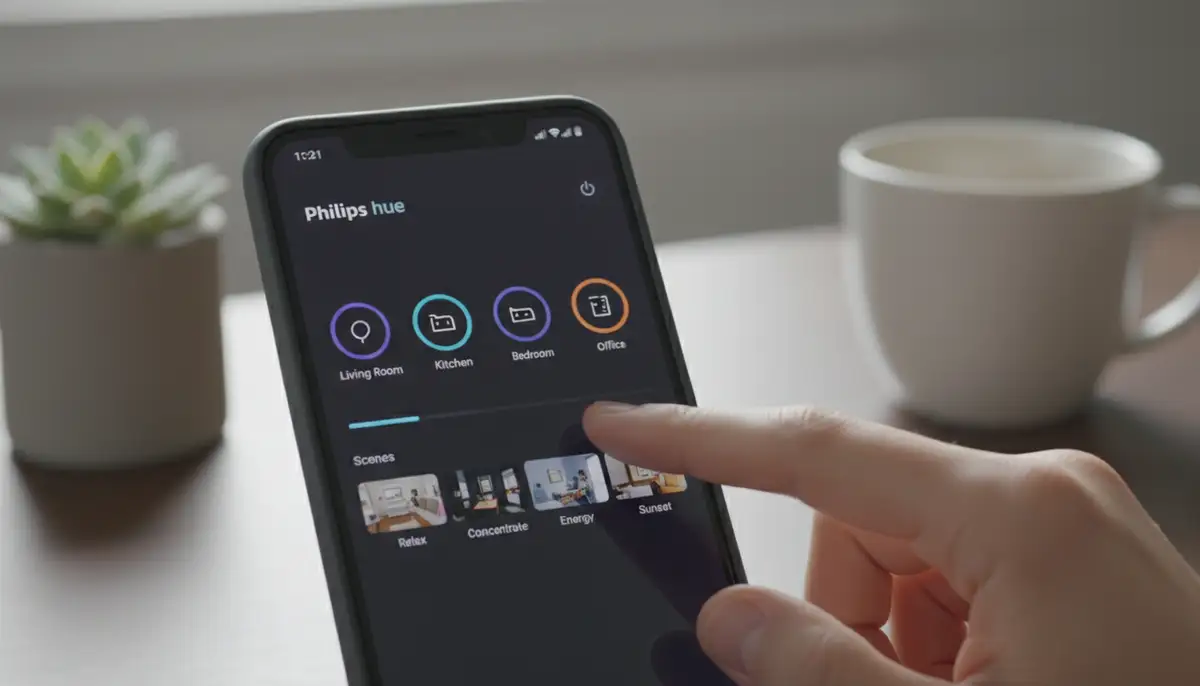
The official Philips Hue app offers several useful widget types. Each hue widget Android serves a slightly different purpose. Understanding them helps you choose the best ones for your setup.
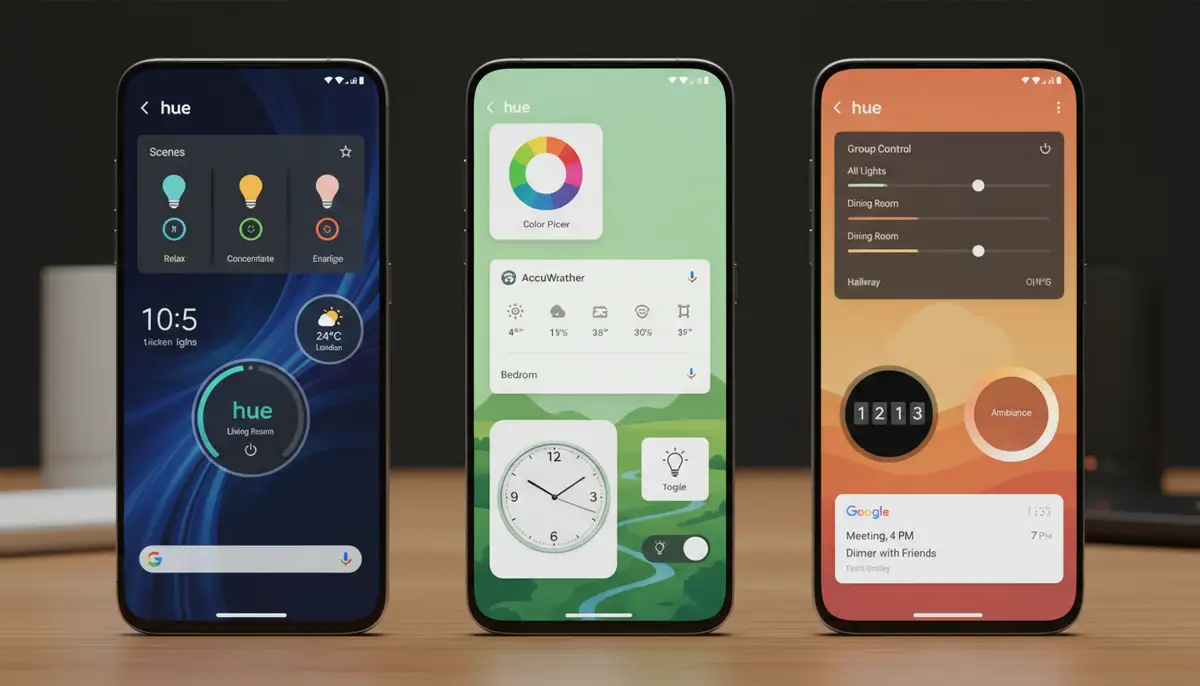
- Scene Widgets: These are popular for quickly setting the mood. A single tap activates a predefined scene, like 'Relax' or 'Energize'. You can assign different scenes to multiple widgets.
- Light Switch Widgets: For individual lights, these widgets act as simple on/off toggles. You can also often adjust brightness directly from the widget.
- Room/Zone Widgets: Control all lights within a specific room or zone. This is great for common areas like your living room or kitchen. Turn everything on or off, or dim them all together.
- Brightness Sliders: Some widgets offer a dedicated slider for brightness control. This provides more granular adjustment without opening the full app.
You can mix and match these widgets on your home screen. Create a personalized control panel for your smart lighting. This level of customization is a major advantage of the hue widget Android.
Exploring Third-Party Hue Widget Android Apps and Alternatives
While the official app is excellent, the Android ecosystem thrives on choice. Many third-party applications offer their own versions of the hue widget Android. These often provide unique features or different user interfaces. They can enhance your control even further.
Popular Third-Party Options
Several developers have created innovative solutions for controlling Philips Hue lights. These apps often focus on advanced automation or more detailed customization. For example, some apps let you create more complex rules or integrate with other smart home platforms. You might find options that allow deeper control than the standard hue widget Android.
One notable open-source option is available on F-Droid, offering Hue widgets for home screen shortcuts and quick settings. This particular application provides tight Android integration. It offers a very fast way to control your lights. Other popular choices include apps from companies like Aesthetic Widgets, photowidget.net, and colorwidgets.app. These companies also provide various widget solutions, often with a focus on aesthetics and deep customization for your Android home screen.
Advantages of Third-Party Hue Widget Android Apps
- Advanced Automation: Some third-party apps allow for more complex 'if-then' rules. You can trigger lights based on location, time, or other smart home device states.
- Unique Designs: If you're particular about aesthetics, third-party widgets often offer more design flexibility. They can better match your phone's theme.
- More Granular Control: You might find options for finer adjustments of color temperature, saturation, or specific light effects.
- Quick Settings Tile Integration: Many third-party apps also offer quick settings tiles. These are accessible by swiping down from the top of your screen. This provides another layer of fast access.
When choosing a third-party hue widget Android, always check reviews. Ensure the app is reputable and secure. Look for apps with active development and good community support. This ensures a reliable and up-to-date experience for your smart lighting control.
Setting Up Your First Hue Widget Android: A Detailed Walkthrough
Let's walk through the process of setting up a hue widget Android step-by-step. This ensures you get it right the first time. We'll focus on the general process, which applies to most widget types.
Connecting to Your Hue Bridge
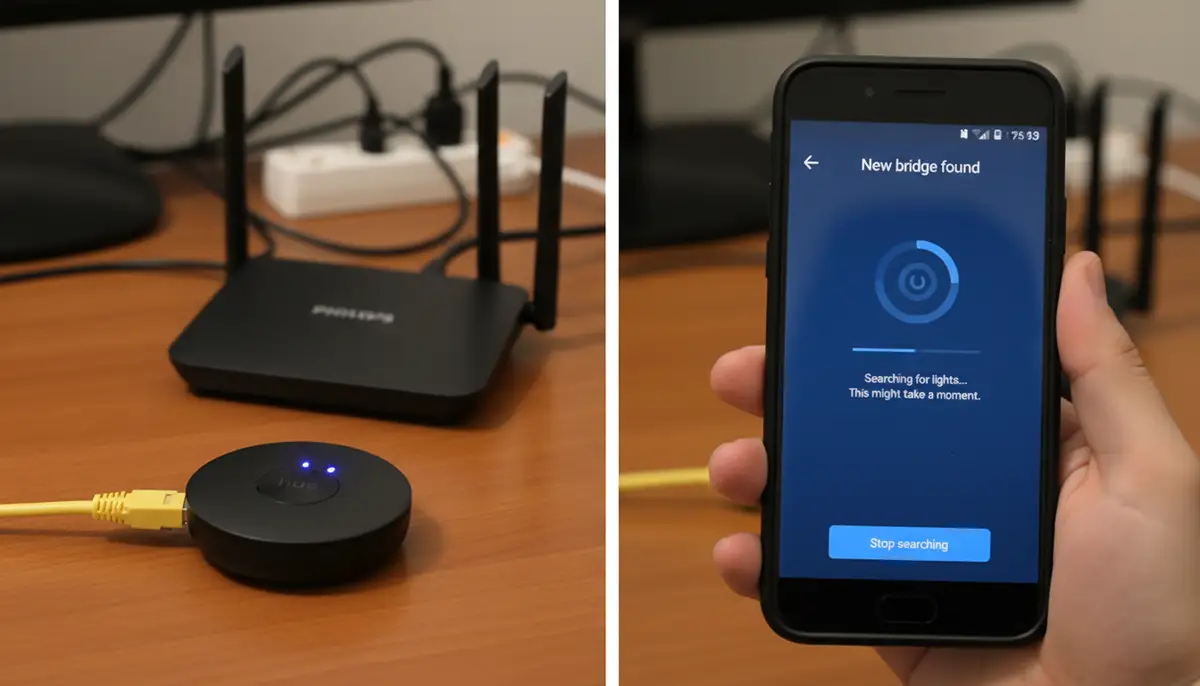
Before adding any widget, ensure your Philips Hue app is connected to your Hue Bridge. This is crucial for the hue widget Android to function. Open the Philips Hue app. Go to 'Settings' and then 'Hue Bridges'. Make sure your Bridge is listed and connected. If not, follow the in-app instructions to connect it. This usually involves pressing the button on your physical Hue Bridge.
Choosing the Right Widget Type
As mentioned, different widgets serve different purposes. Consider your most frequent actions. Do you often turn off all lights in a room? A room widget is ideal. Do you frequently switch between 'reading' and 'movie' scenes? A scene widget is perfect. Think about how you use your lights daily. This will guide your choice for the hue widget Android.
Here's a quick comparison to help you decide:
| Widget Type | Best Use Case | Control Level |
|---|---|---|
| Scene Widget | Quickly changing room ambiance | High-level (predefined) |
| Light Switch Widget | Toggling individual lights | Basic (on/off, dim) |
| Room/Zone Widget | Controlling all lights in an area | Medium-level (group control) |
| Brightness Slider | Fine-tuning light intensity | Granular (brightness only) |
Customization Tips for Your Hue Widget Android
Once your hue widget Android is placed, you can often customize its appearance and function. Long-press on the widget itself. Options like 'Resize' or 'Widget settings' might appear. In the settings, you can usually change the associated scene, light, or room. Some third-party widgets offer even deeper customization. You can change colors, icons, or even transparency. This helps the widget blend seamlessly with your phone's theme.
For a visual guide on setting up and using the Philips Hue app and its widgets, you might find this tutorial helpful:
. It walks you through the basics of controlling your lights via the app, which is fundamental to understanding widget functionality.Advanced Tips for Maximizing Your Hue Widget Android Experience
Beyond basic control, a hue widget Android can do much more. Let's explore some advanced strategies to make your smart lighting truly intelligent and responsive.
Grouping Lights for Efficiency
In the Philips Hue app, organize your lights into rooms and zones. This is crucial for efficient widget use. Instead of individual light widgets, create a single room widget. This controls all lights in that room. For example, a 'Living Room' widget can turn on or off all your living room bulbs at once. This simplifies your home screen and makes control faster.
Creating Dynamic Scenes
Scenes are powerful. Don't just stick to the default ones. Create custom scenes for specific activities. A 'Movie Night' scene might dim the main lights and turn on accent lighting. A 'Morning Wake-up' scene could slowly brighten your bedroom lights. Assign these custom scenes to a hue widget Android. This gives you instant access to complex lighting setups.
Integrating with Other Smart Home Tech
Many smart home platforms, like Google Home or Amazon Alexa, integrate with Philips Hue. While widgets are on-device, you can use them in conjunction with voice commands. For example, use a widget for quick control when your phone is in hand. Use voice commands when your hands are full. Some advanced third-party hue widget Android apps can even trigger routines involving other devices.
Troubleshooting Common Hue Widget Android Issues
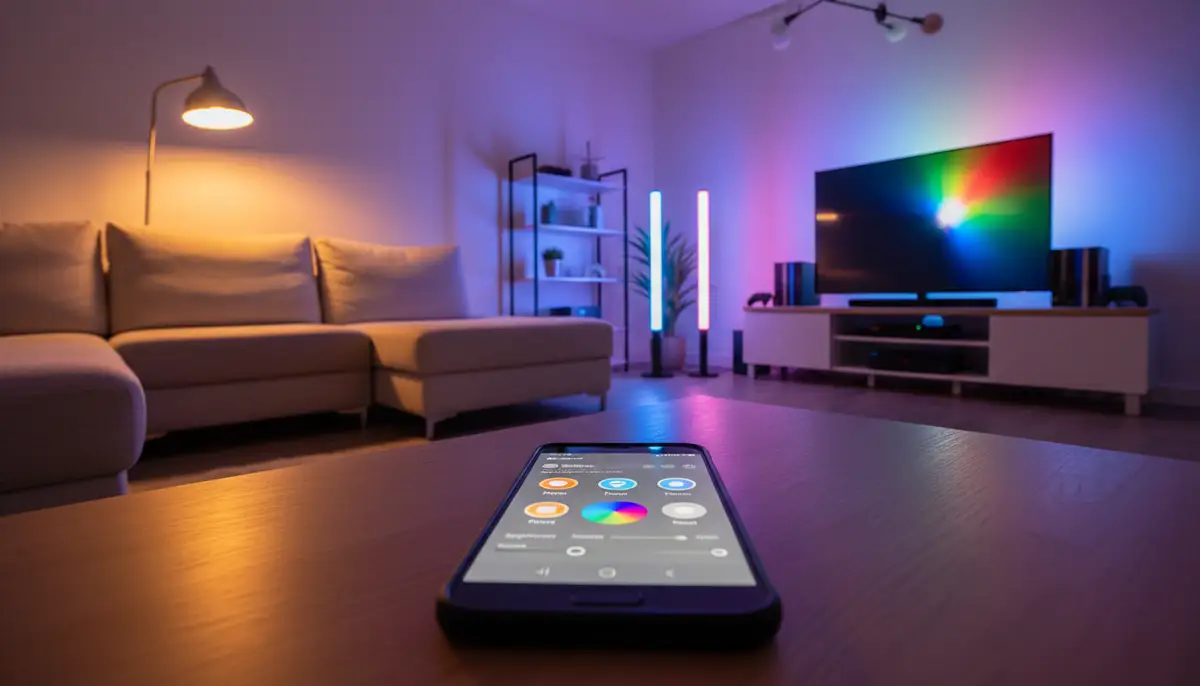
Occasionally, your hue widget Android might not work as expected. Here are some common issues and their solutions:
- Widget Not Responding: Ensure your phone has an active internet connection. Check if your Hue Bridge is online and connected to your network. Restarting the Philips Hue app or your phone can often resolve this.
- Lights Not Changing: Verify that the correct light, room, or scene is assigned to the widget. Sometimes, the widget configuration might get reset. Reconfigure it if necessary.
- Widget Disappears: This can happen after app updates or system reboots. Simply re-add the hue widget Android to your home screen following the steps above.
- Performance Issues: If the widget is slow, clear the cache of the Philips Hue app. Go to your phone's 'Settings' > 'Apps' > 'Philips Hue' > 'Storage' > 'Clear Cache'.
Regularly updating your Philips Hue app and your phone's operating system also helps prevent issues. This ensures compatibility and access to the latest features for your hue widget Android.
Optimizing Your Home Screen with Hue Widgets
Your Android home screen is your digital command center. Thoughtful placement of your hue widget Android can significantly improve its functionality and aesthetics. Don't just dump widgets anywhere. Plan your layout for maximum efficiency.
Strategic Placement for Quick Access
Place your most frequently used hue widget Android on your primary home screen. For example, a 'Good Morning' scene widget or your living room light control. Widgets for less frequent actions, like a 'Movie Night' scene, can go on a secondary screen. This keeps your main screen clutter-free and highly functional. Consider placing widgets for lights you control manually often, such as a bedside lamp, on a readily accessible screen.
Combining with Other Essential Widgets
Your home screen isn't just for lights. Integrate your hue widget Android with other essential tools. You might have an android weather widget to check conditions before you leave. Perhaps an android clock widget keeps you on schedule. Design your home screen to provide all critical information and controls at a glance. This creates a cohesive and powerful interface.
Design Considerations and Aesthetics
Aesthetics matter. A well-designed home screen is a joy to use. Many third-party apps, and even some official ones, allow for visual customization. Match your hue widget Android colors and transparency to your wallpaper or icon pack. Companies like Aesthetic Widgets, photowidget.net, and colorwidgets.app specialize in visual customization. They offer tools to make your widgets look stunning. This attention to detail enhances your overall phone experience.
If you're looking to truly personalize your entire home screen, consider platforms like Widgetopia. We offer a vast collection of over 100,000 free home screen widgets for both iPhone, iPad, and Android. You can remix existing designs or create your own from scratch. This allows you to craft a unique look that perfectly complements your hue widget Android and other smart controls.
The Future of Hue Widget Android in 2025 and Beyond
As technology evolves, so too will the hue widget Android. We are already seeing trends that point towards even smarter, more intuitive control. What can you expect in the coming years?
- AI Integration: Expect widgets to become more predictive. They might suggest scenes based on your daily habits, time of day, or even weather conditions.
- Adaptive Interfaces: Widgets could dynamically change their appearance or available controls. This would depend on your location, activity, or other smart home sensor data.
- Enhanced Cross-Platform Sync: More seamless integration with other smart home ecosystems is likely. This means a single hue widget Android could potentially control more than just your Hue lights.
- Augmented Reality (AR) Controls: Imagine pointing your phone at a light and controlling it directly through an AR overlay. This could be a game-changer for smart home interaction.
- Even Deeper Customization: As Android itself becomes more flexible, expect third-party apps to offer unparalleled levels of visual and functional customization for your hue widget Android.
The goal is always to make your smart home more responsive and less intrusive. The hue widget Android will continue to play a vital role in this evolution. It will provide that crucial balance of instant access and powerful control.
Conclusion: Embrace the Power of Your Hue Widget Android
The hue widget Android is more than just a shortcut. It's a gateway to a more convenient and efficient smart home. By leveraging these powerful tools, you gain instant, personalized control over your Philips Hue lighting. You can transform your home's ambiance with a single tap. This guide has equipped you with the knowledge to set up, customize, and troubleshoot your widgets effectively. You've learned about official and third-party options, advanced tips, and future possibilities. The power of the hue widget Android is now at your fingertips.
Take control of your smart lighting today. Experiment with different widgets and layouts. Discover how a well-optimized hue widget Android can simplify your life. Your home screen is waiting to become your ultimate smart home command center. Start personalizing your experience now and enjoy the seamless control that smart widgets bring.